Portal

The main outcome of the EPSULA project is the Educational Portal, which is divided into two main sections: the Collection and the Compendium.

EPSULA Collection

This section comprises a series of video recordings in Spanish and Indigenous languages, created with the collaborating communities in El Salvador and Ecuador, edited and subtitled. These recordings, their transcriptions and the edited videos are available at the links below:

EPSULA Compendium

In order to provide an effective use of the video recordings from the EPSULA Collection, the EPSULA Compendium was created. It includes 12 independent modules, each designed for focused learning and exploration. Each module represents a block that forms a coherent whole, focusing on selected themes set in their respective context. The EPSULA project thus presents a pedagogical framework through a modular approach that not only addresses issues of cultural diversity but actually turns them into opportunities for enrichment. By offering a structured, flexible, interdisciplinary and collaborative approach, it allows teachers and students to explore indigenous cultures from different perspectives, with sensitivity and a subtle understanding of the complexity of their reality.

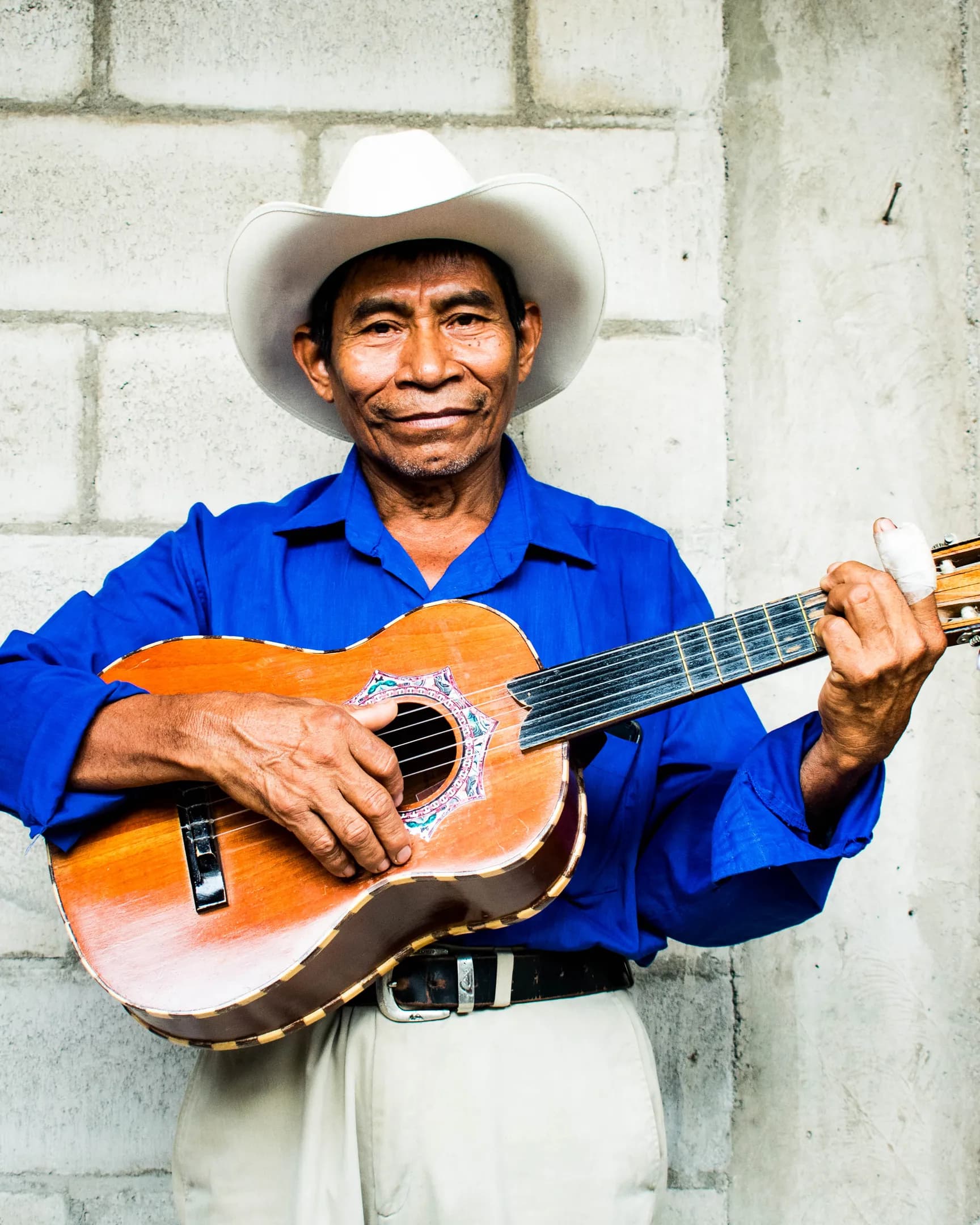
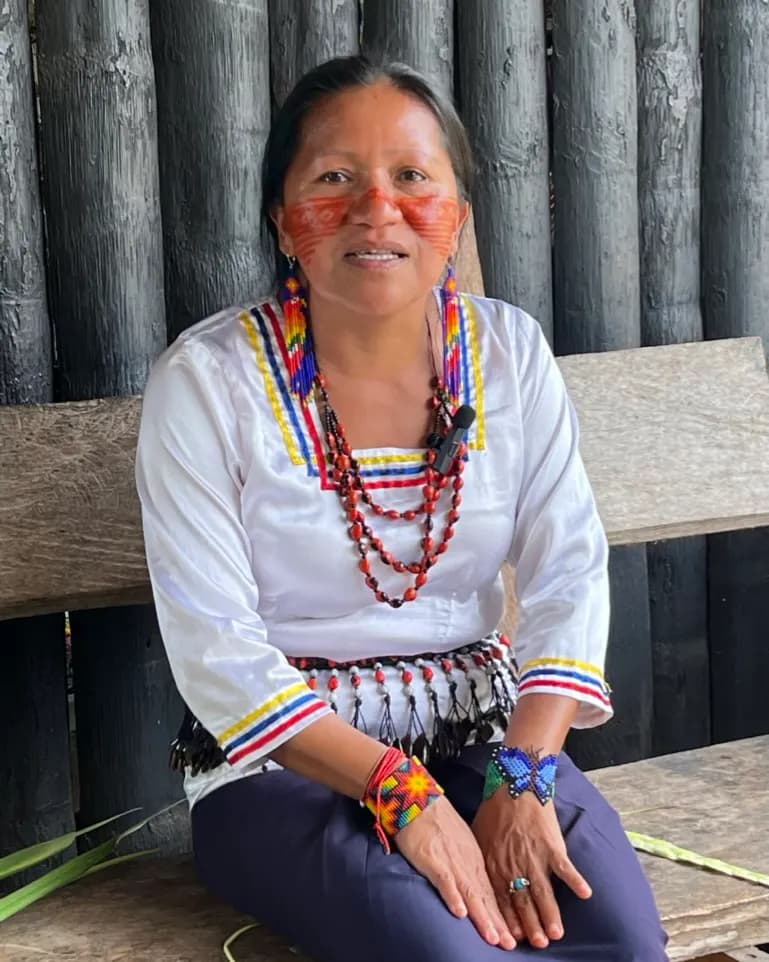
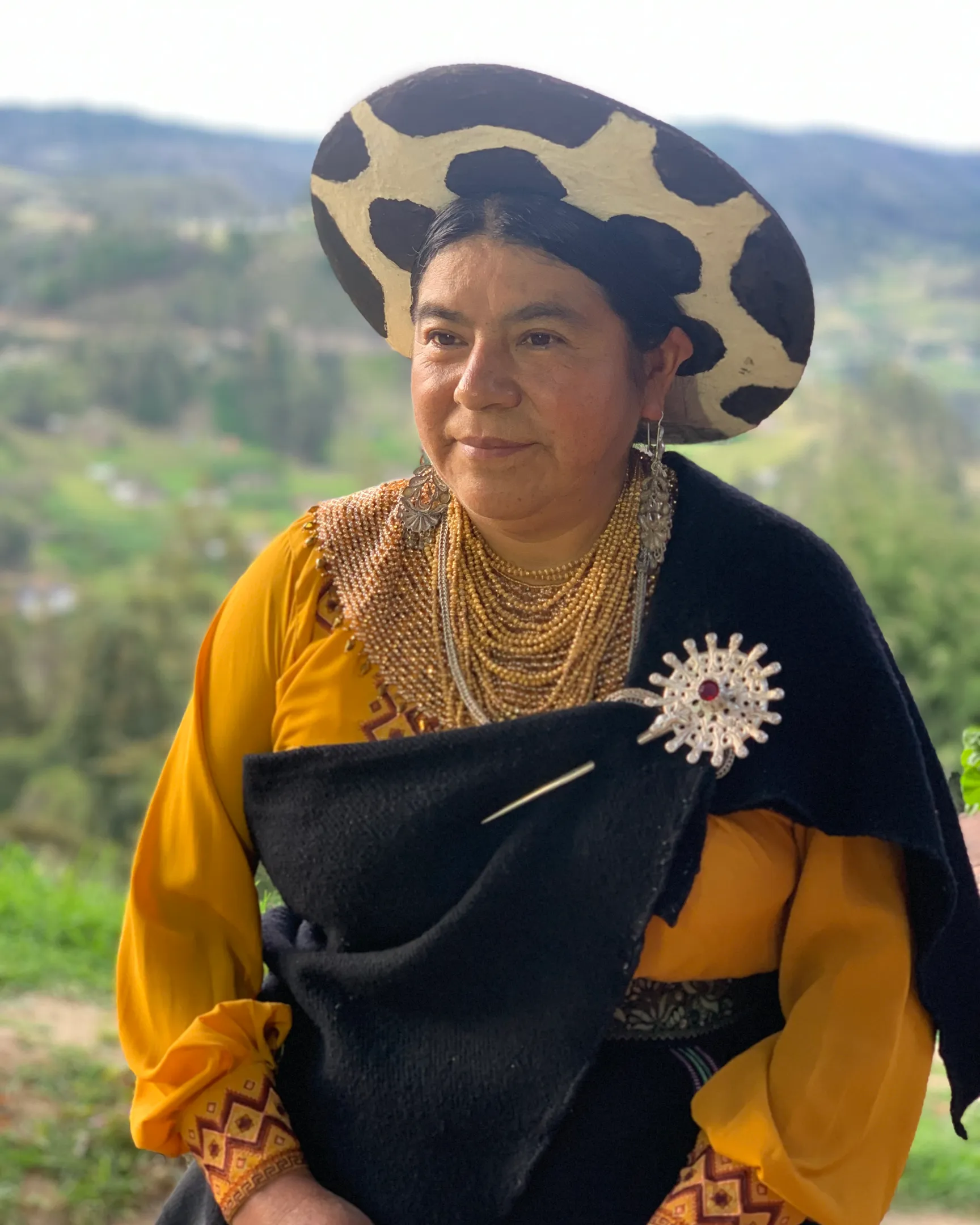
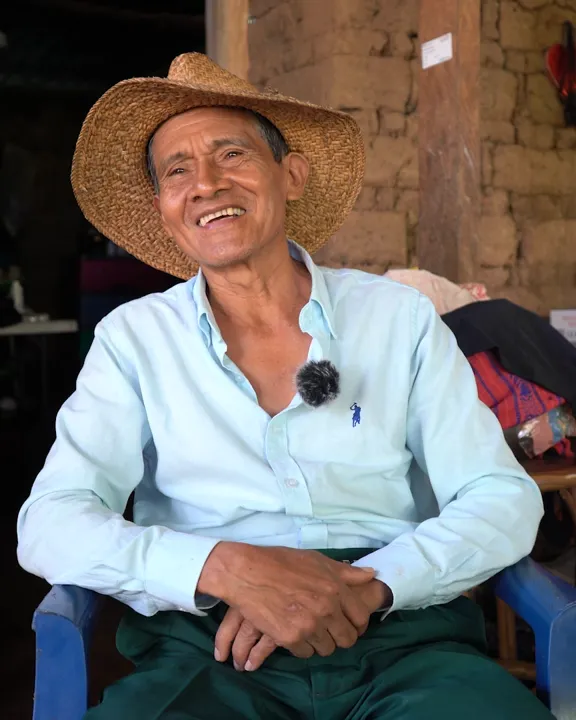
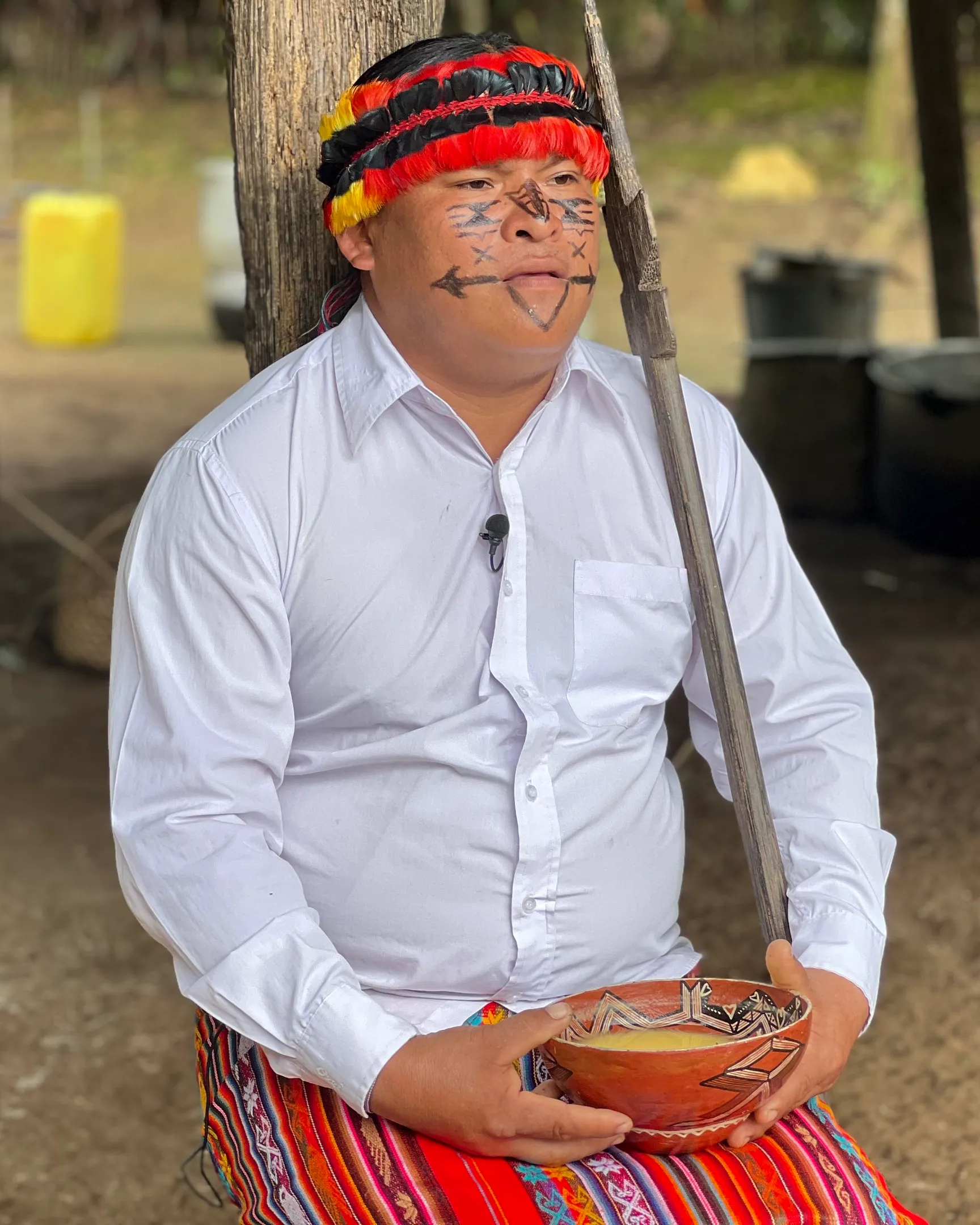
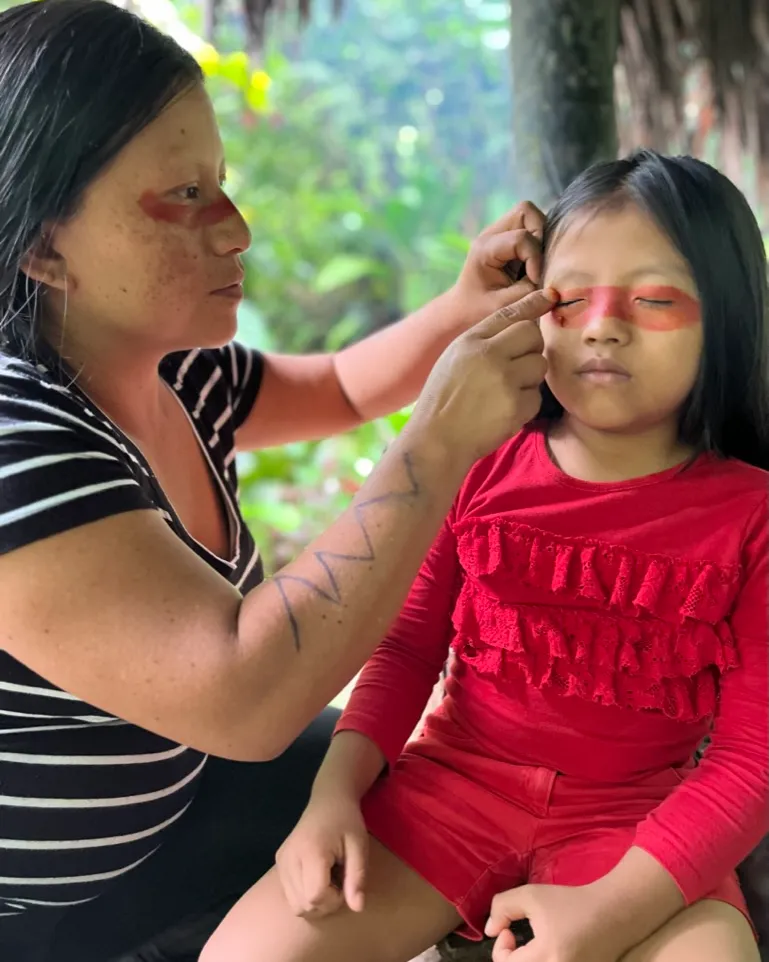
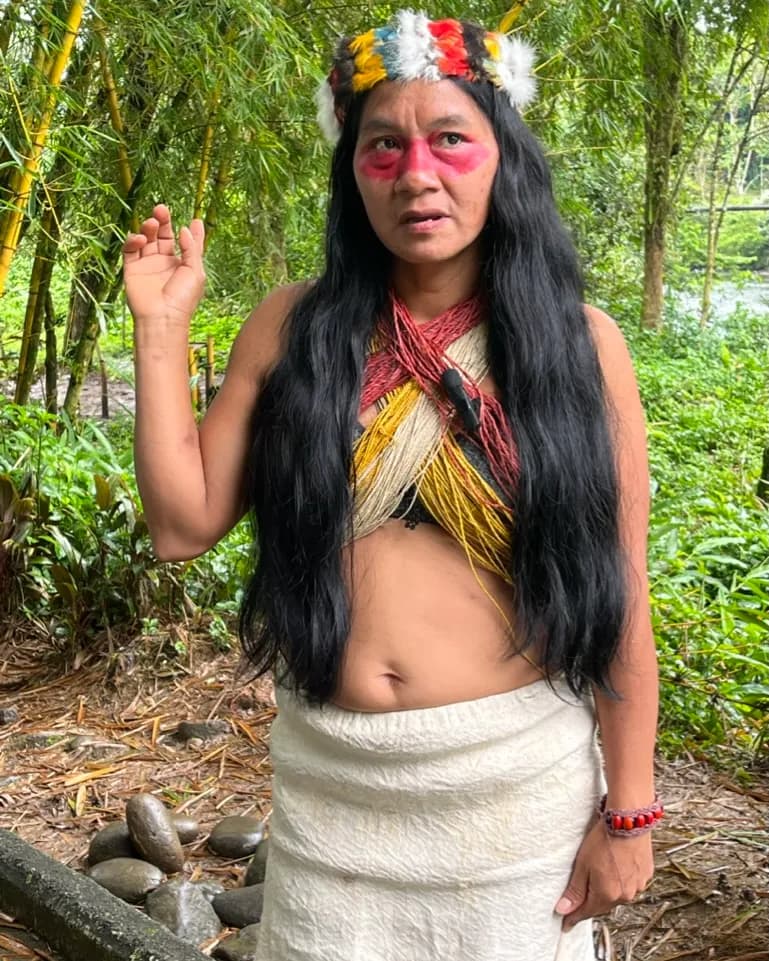
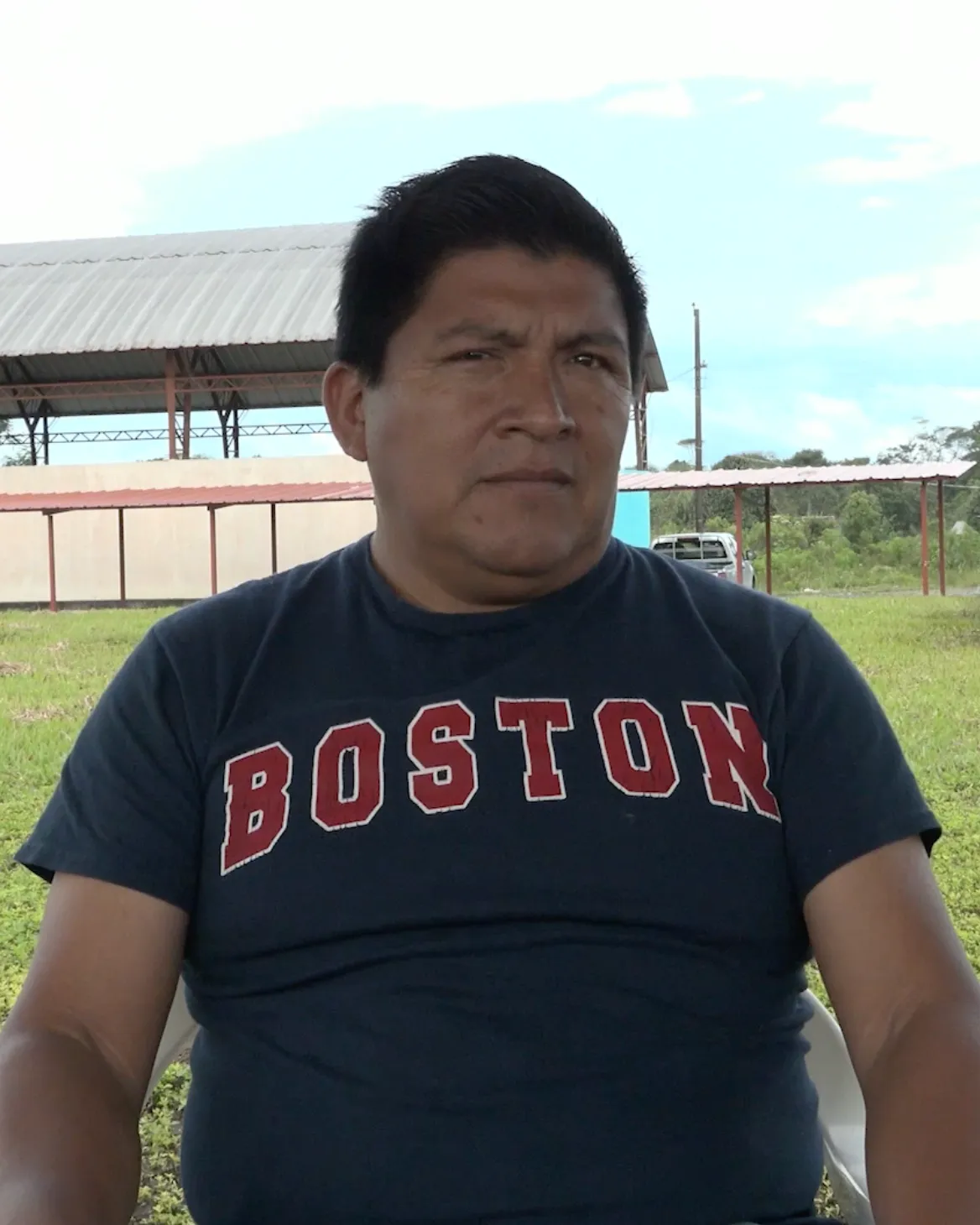
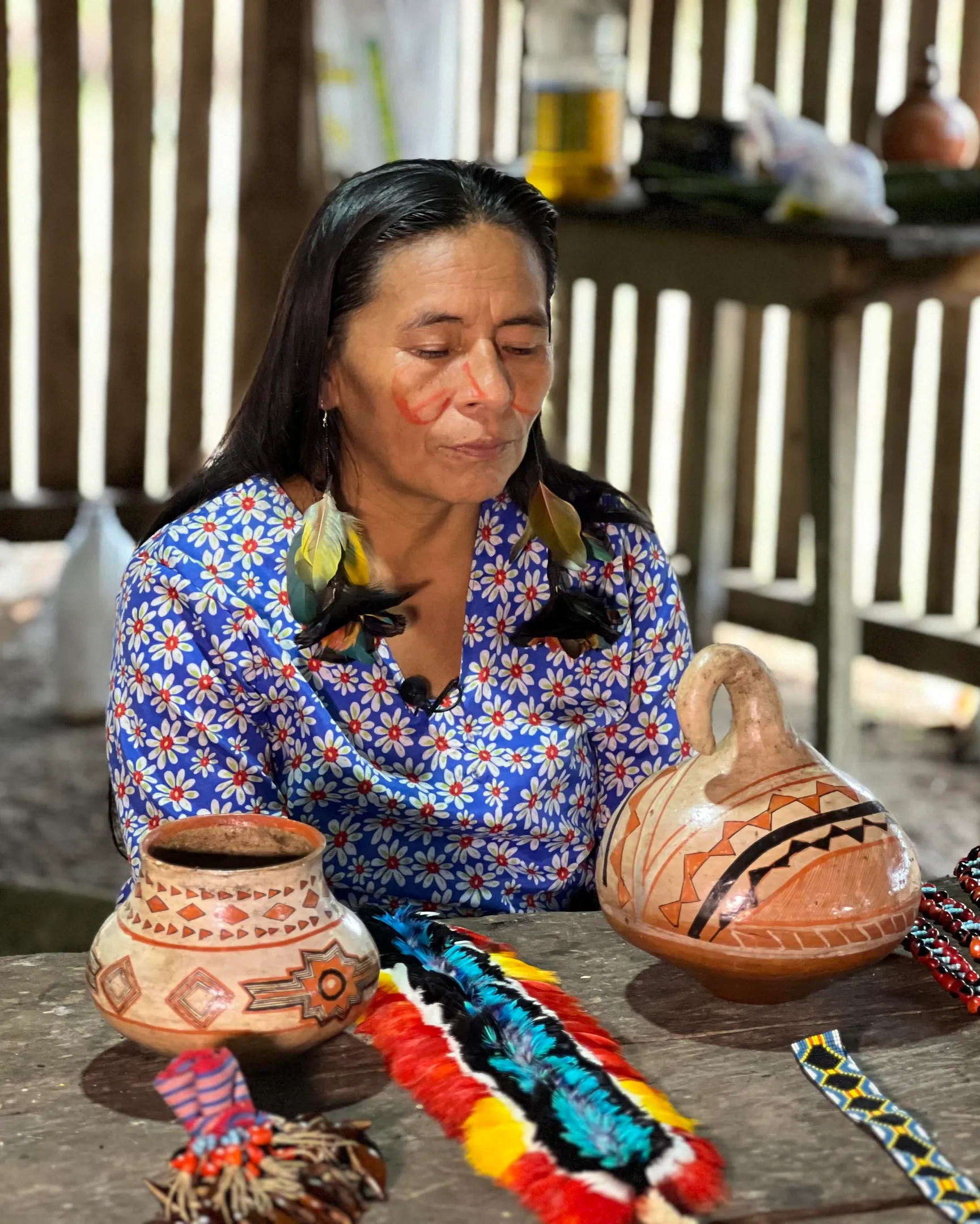
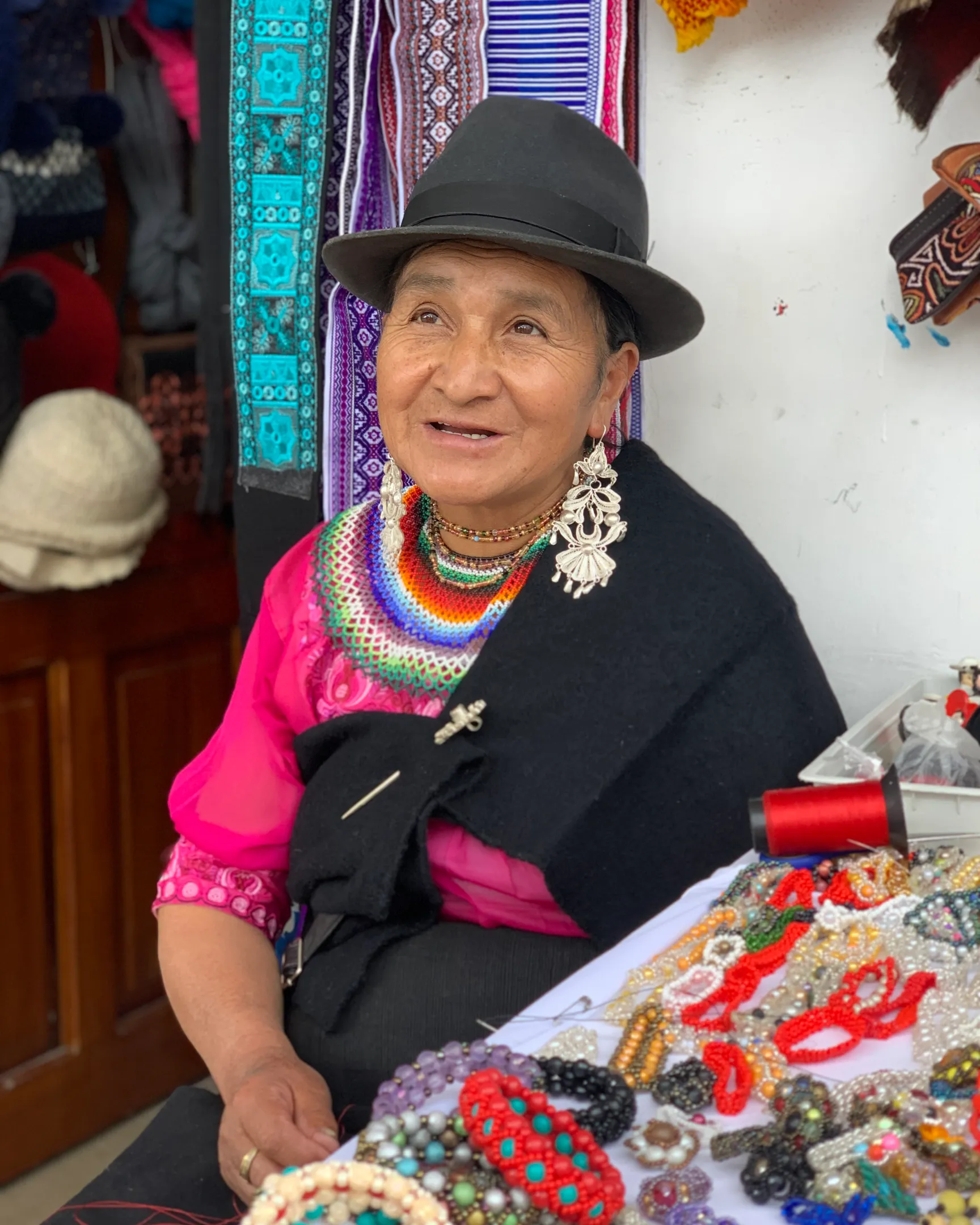
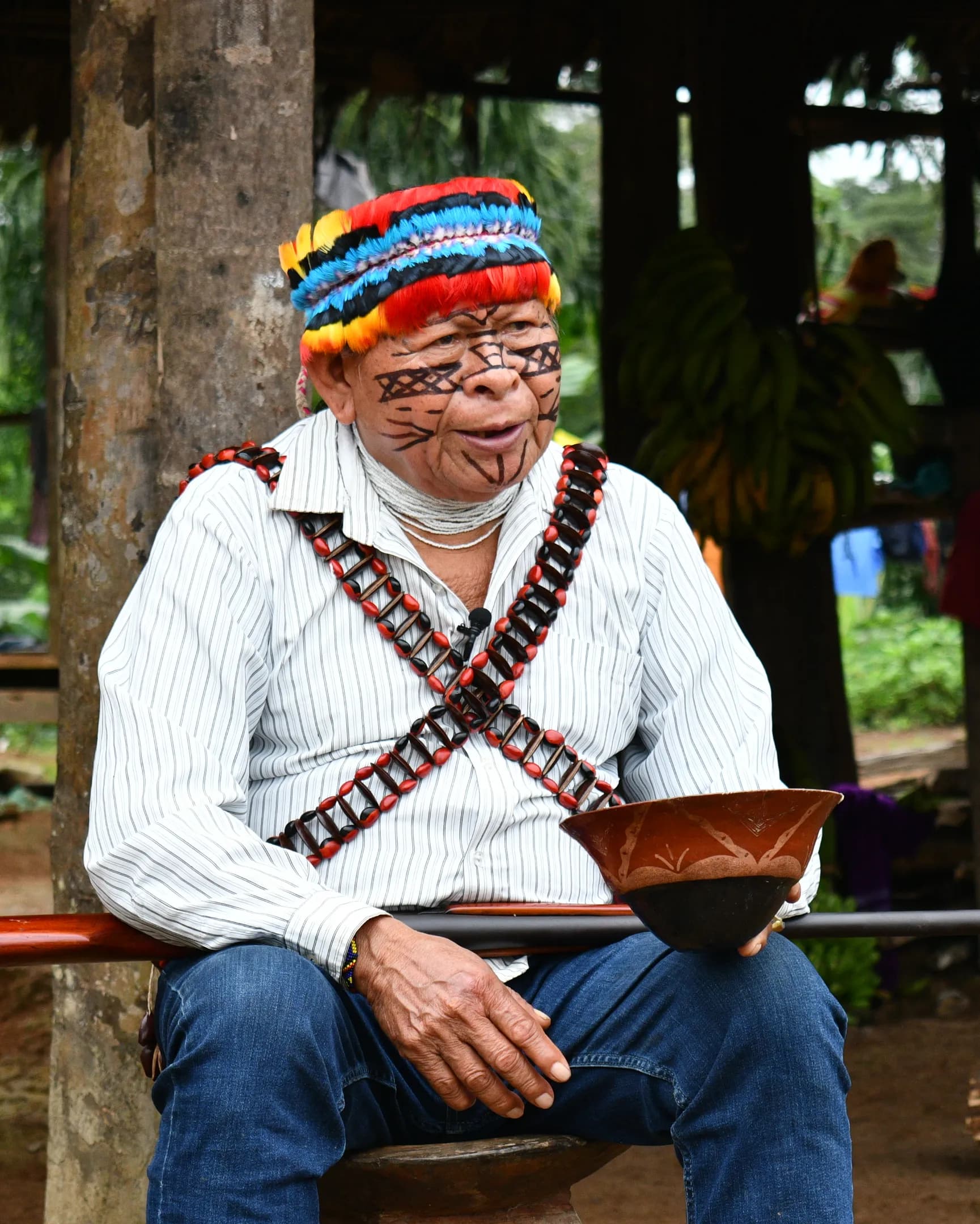
We are honored to introduce the indigenous communities that participated in our project:

Modules

Holistic Perspectives on Nature and the Environment

Module06

Holistic Perspectives on Nature and the Environment

This module is designed in order to explore ancestral wisdom of the indigenous communities and their perspective of Nature not as a resource meant to serve human needs, but rather as a harmonious living entity. It engages with holistic perspectives that weave interconnectedness, sustainability and spirituality into the traditional social structure.

Show more

Local, Regional and Global Geographical Contexts

Module07

Local, Regional and Global Geographical Contexts

This module provides opportunities not only for exploring the geographical context regarding the environment, the climate and other important conditions, moreover it includes the interdisciplinary approach that allow „mapping“ local and regional History and stories that shape the life of indigenous communities. Through comparisons and analysis, the purpose is to explore the dynamic interplay between local landscapes and global influences, in order to understand how geography shapes identities, livelihoods and perspectives.

Show more

Economy Clash

Module08

Economy Clash

This module provides opportunities to examine the clash between traditional indigenous economies and external forces. Through scholarly inquiry and analysis it helps to clarify the impact of globalisation and market dynamics on indigenous economic systems. At the same time it highlights the delicate balance between sustainability and change.

Show more

New Ways of Tourism

Module09

New Ways of Tourism

Within the academic study of tourism, this module redefines perspectives through indigenous eyes. It critically examines community-led initiatives, sustainable practices and cultural exchanges and provides an academic perspective on new dimensions of travel that promote indigenous heritage in search for mutual understanding.

Show more

Women and gender

Module10

Women and gender

This particular module is of utter importance, as it illuminates the roles of women in Indigenous societies, as well as the recent changes considering women's empowerment that are apparent in some communities. Through scholarly inquiry, it reveals the diverse narratives shaping gender dynamics, resilience and empowerment.

Approaches to Wellbeing

Module11

Approaches to Wellbeing

In addition to physical health, the module is designed to examine the mental, spiritual at an individual and community levels that define indigenous notions of a fulfilled and balanced life. In this sense this module reveals holistic perspectives on well-being as it is perceived by indigenous peoples.