
People have long sought to understand the world in which they live. Therefore, they create systems that explain the meaning of human existence and notions of the laws governing the world. They are grappling with numerous questions, seeking convincing answers:
How to perceive the passage of time?
How to interpret the meaning of human existence?
What place does a person occupy in the world?
How does the relationship between humans and other beings, as well as nature, take shape?
Language plays an immensely important role in any society. It is an effective tool for expressing even the most complex thoughts and serves not only for communication or the simple exchange of information. Language plays a significant role in strengthening the identity of each community, reflecting itself in the lived experiences of its users. Language shapes people's thinking and influences their perception of the world. In different languages, we look at the same realities slightly differently. Changing the perspective then opens up a completely different view of fundamental concepts that we are accustomed to perceiving in familiar forms. However, a new perspective can help us recognize hidden shortcomings and become aware of previously overlooked realities. Viewing the world through the lens of the indigenous people of Latin America can be not only enlightening but unexpectedly beneficial and enriching for us. Perhaps then, we ourselves can better confront the challenges of the present marked by numerous crises.
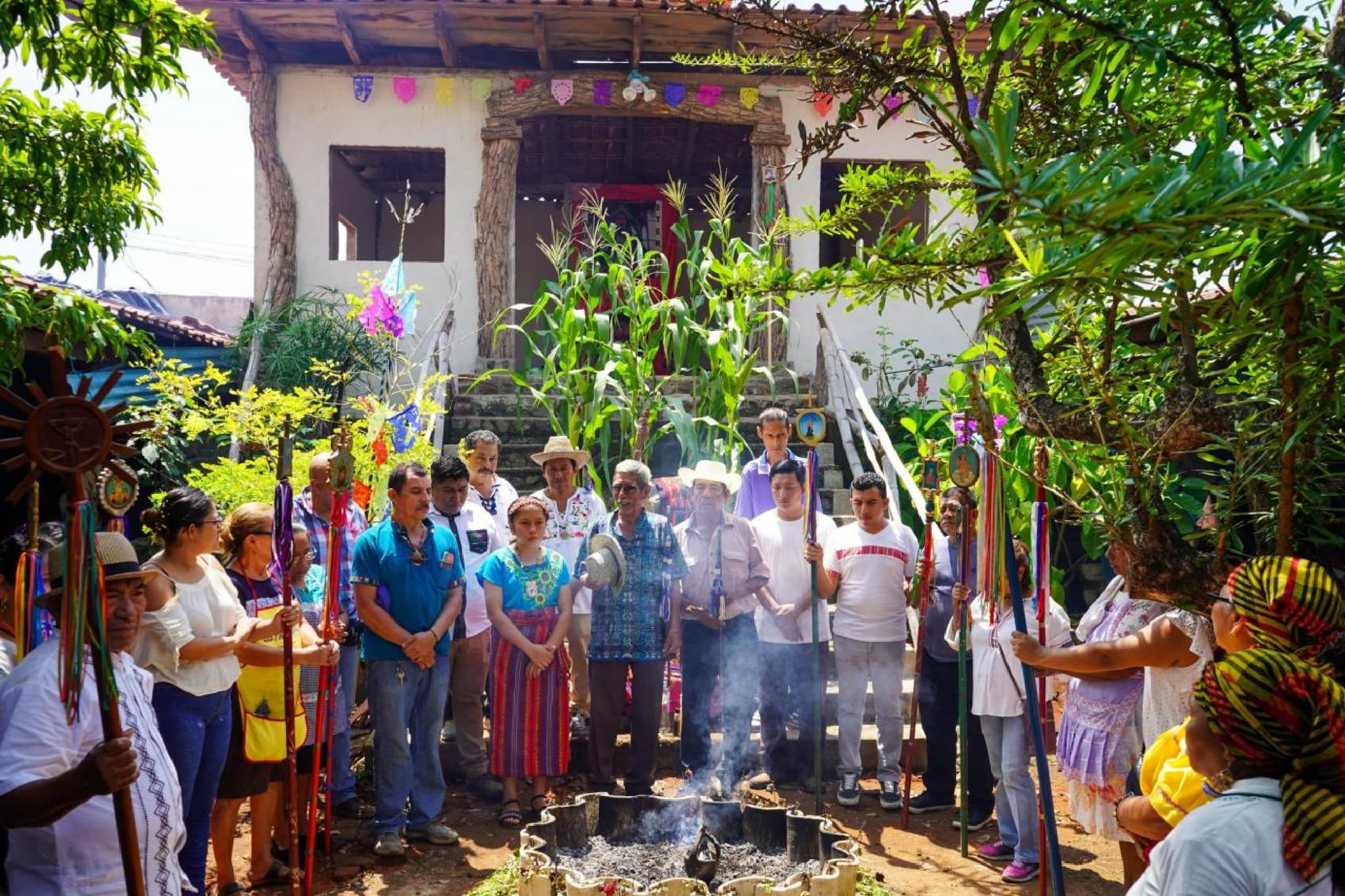
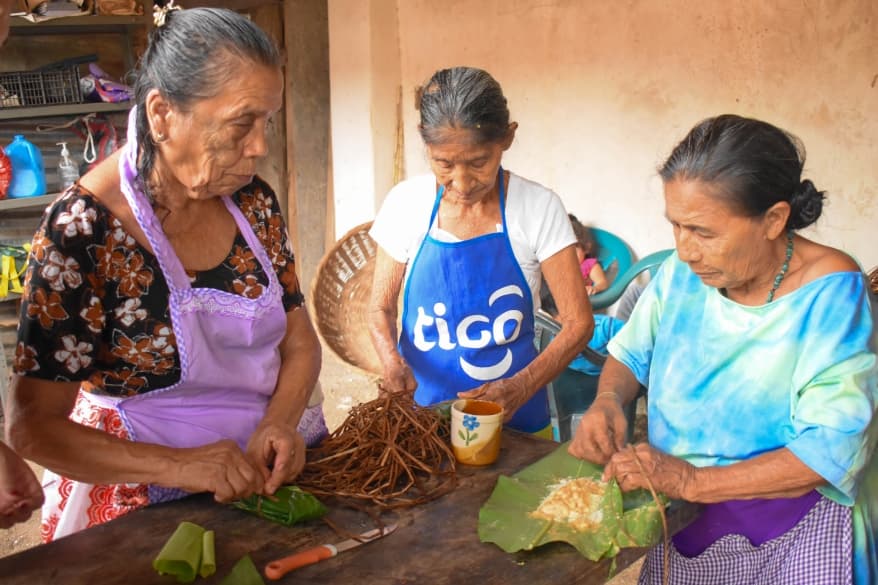
The perception of time and how we approach the past, present, and future significantly influences our behavior. In our Western society, we tend to focus primarily on future developments, usually regarding the past as a bygone period that we leave behind. The future, on the other hand, is a promise of change, a clean, new page on which we will start writing anew. Since the past is already a closed chapter, considering the legacy of previous generations makes sense only in specific contexts and only marginally.
Many indigenous cultures, on the other hand, perceive time differently, often cyclically. The future approaches us unfolding from behind.
When deciding on future steps, the past is absolutely crucial. The legacy of ancestors is therefore constantly remembered and held in immense respect. The wisdom of the past serves as a guide for the development of a contented present and is also a guarantee of a successful future.
Cosmovision, also known as cosmology, is the worldview of indigenous inhabitants that admits the existence of many spheres of reality. Each object or subject has its spiritual counterpart. Thus, not only a living being, be it a human, an animal, or a tiny creature, possesses its spirit, but also a plant or a stone. The same holds true even for a mountain, waterfall, or the wind and rain.
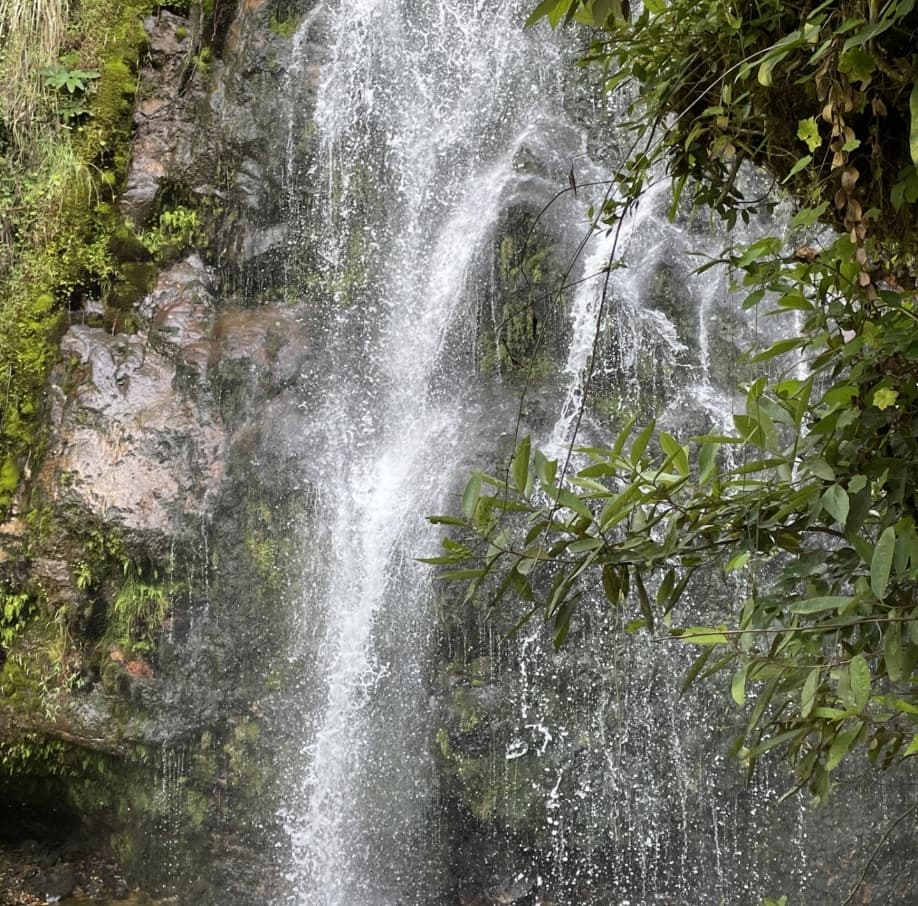
The invisible worlds, as well as the spiritual beings and primal essences that inhabit them, serve as repositories of knowledge and mystical forces essential for the well-being of people and the proper functioning of society. Therefore, for many indigenous peoples, a central element of the spiritual experience involves understanding the ordinarily invisible dimension of reality. This experience is fundamental and unfolds on both a personal and collective level.
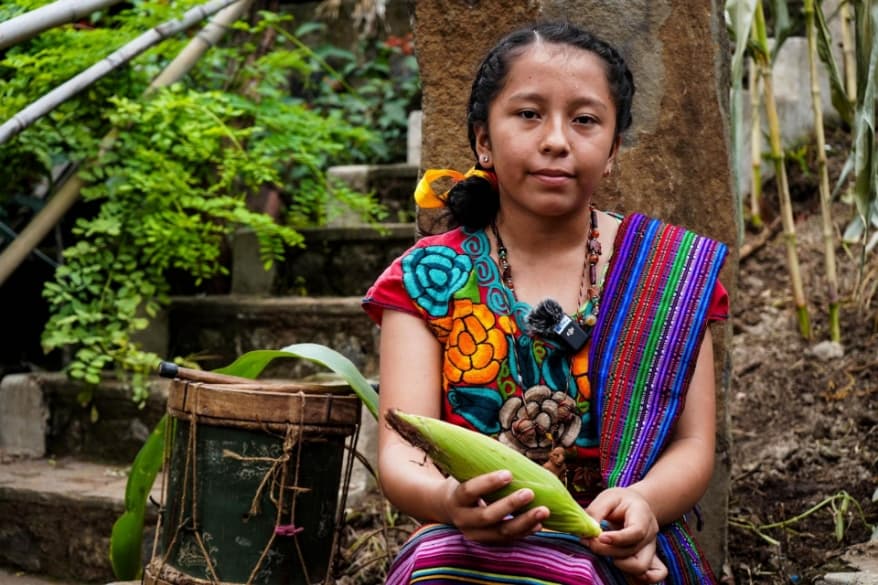
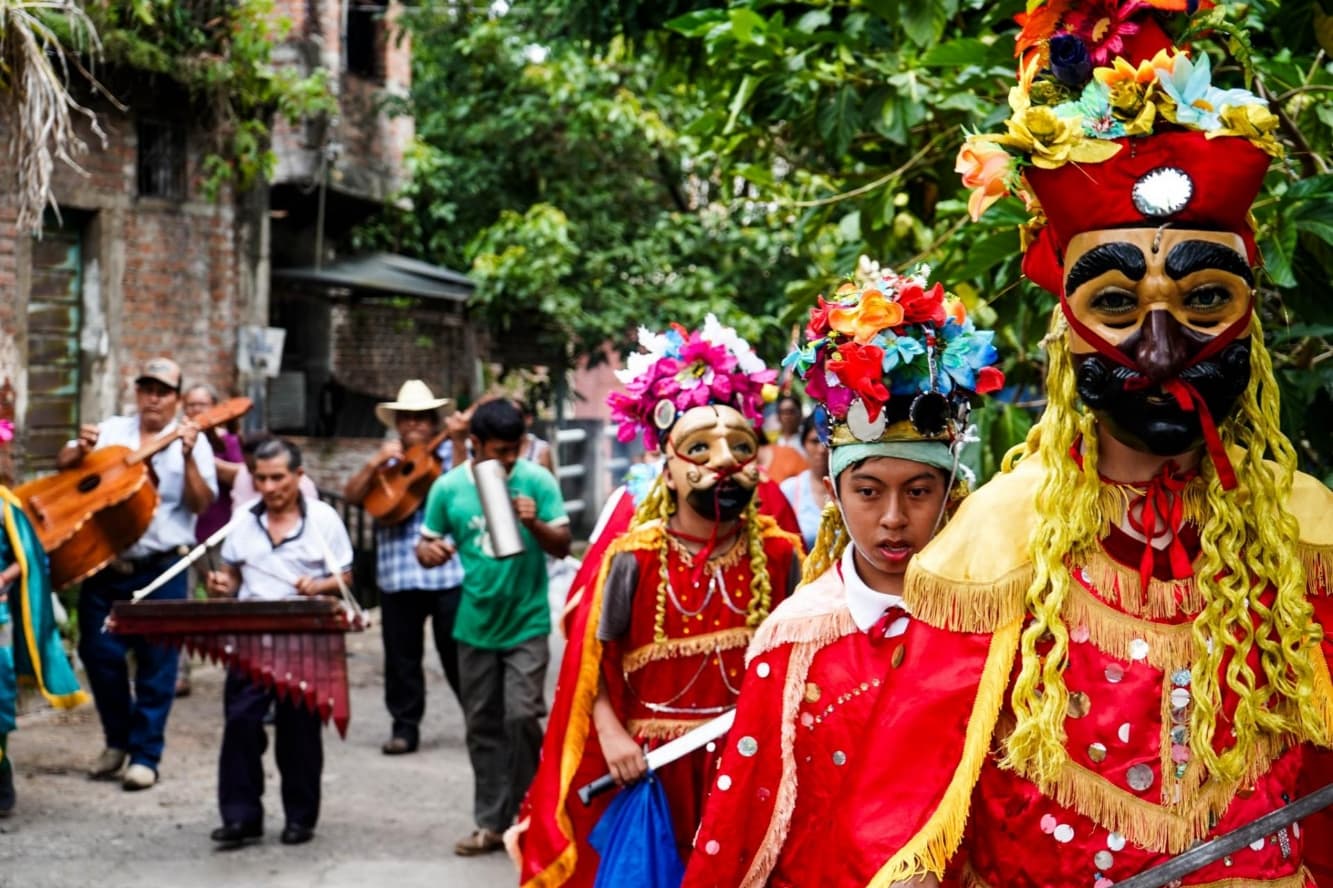


According to indigenous religiosity, access to these invisible worlds can be achieved both in dreams, where the soul detaches from the body and travels through different realms, and through the consumption of psychotropic or hallucinogenic substances such as ayahuasca or concentrated tobacco juice. It is believed that these substances compel the soul to leave the body and embark on astral journeys. The same can be achieved through a variety of ascetic practices or bodily mortification, such as prolonged fasting.
Only the chosen, following thorough preparation, have the privilege of traveling to the sacred realms. There, they acquire knowledge and abilities from the inhabitants, allowing for a deeper connection with the invisible worlds.
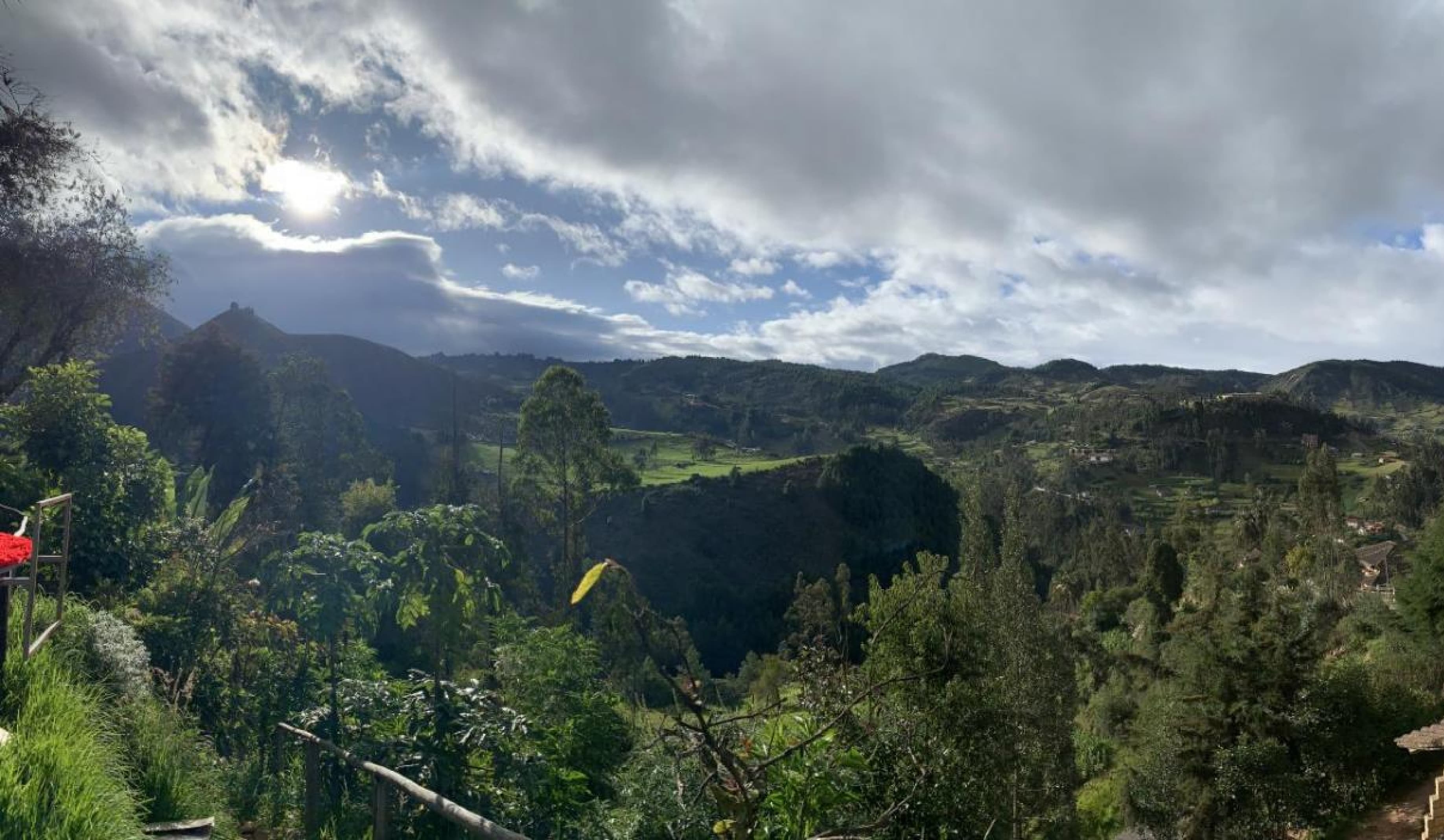
The expression of the essence of the relationship between humans and nature intertwines seamlessly into the everyday life of indigenous ethnicities. In Western society, however, ever since Aristotle, everything is taxonomically organized and classified into individual categories or domains that we perceive as separate and distinct. For indigenous inhabitants, everything is interconnected. Humans are a part of the world and stand on the same level as any other creature—be it a jaguar or an ant.
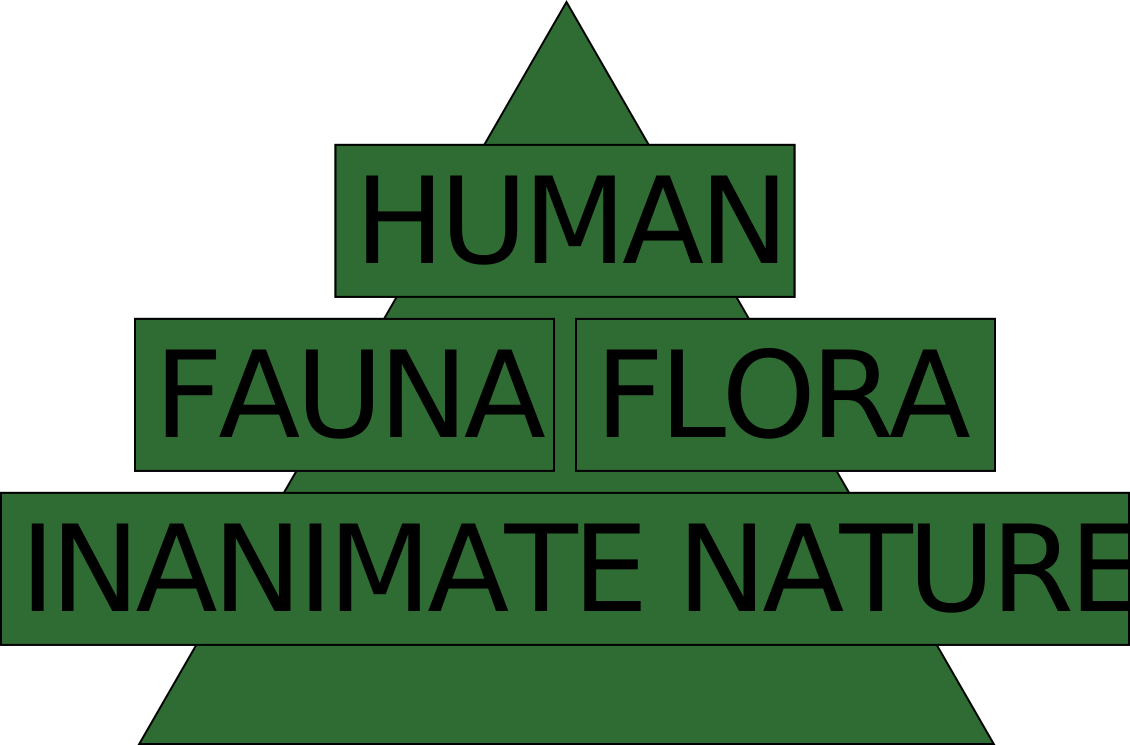
ANTHROPOCENTRIC PERCEPTION
In our Western society, we place humans at the pinnacle of an imaginary pyramid, with everything else assuming subordinate positions based on their utility to humanity.
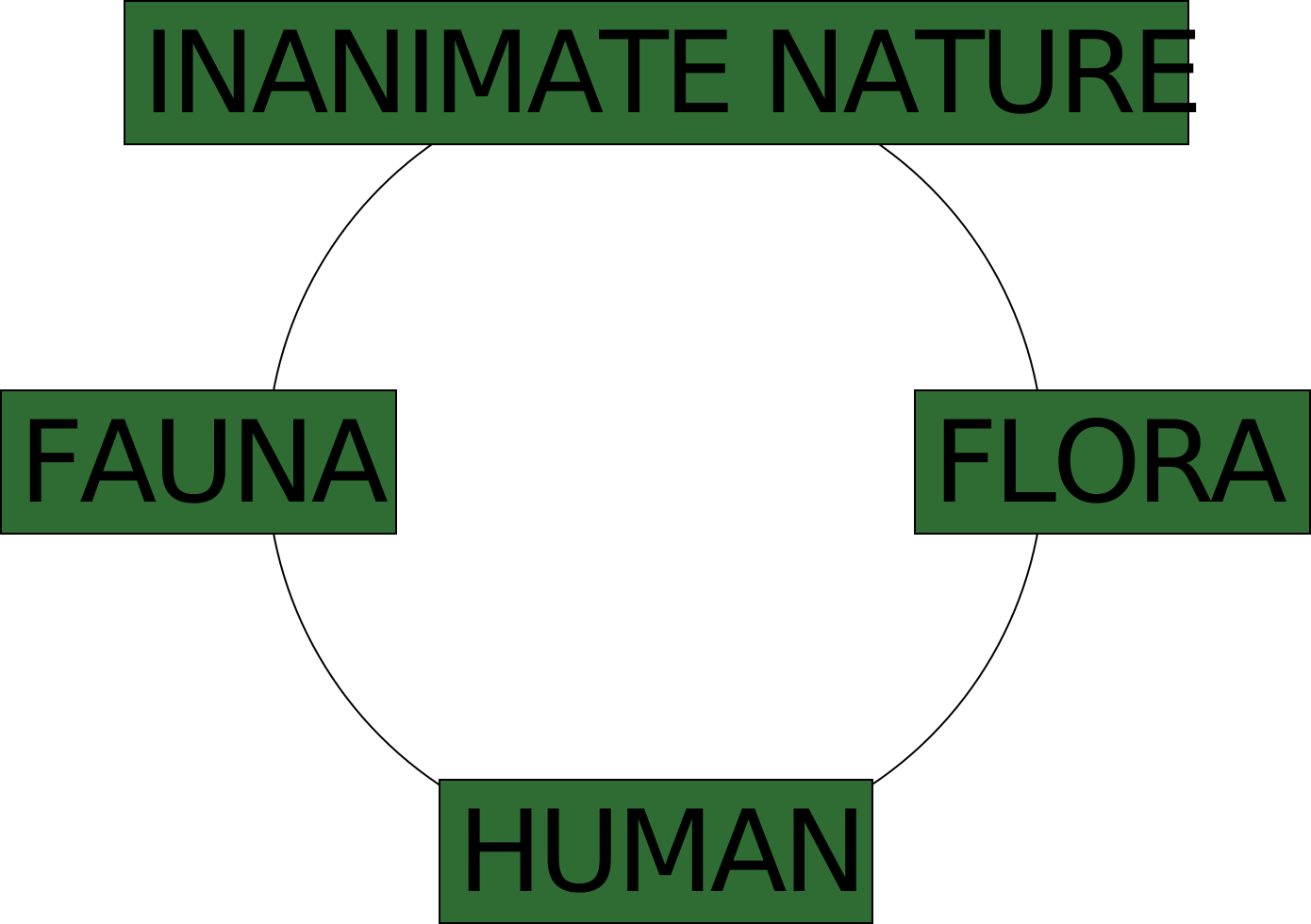
COSMOCENTRIC PERCEPTION
For indigenous peoples, humans are as important as everything that surrounds them.
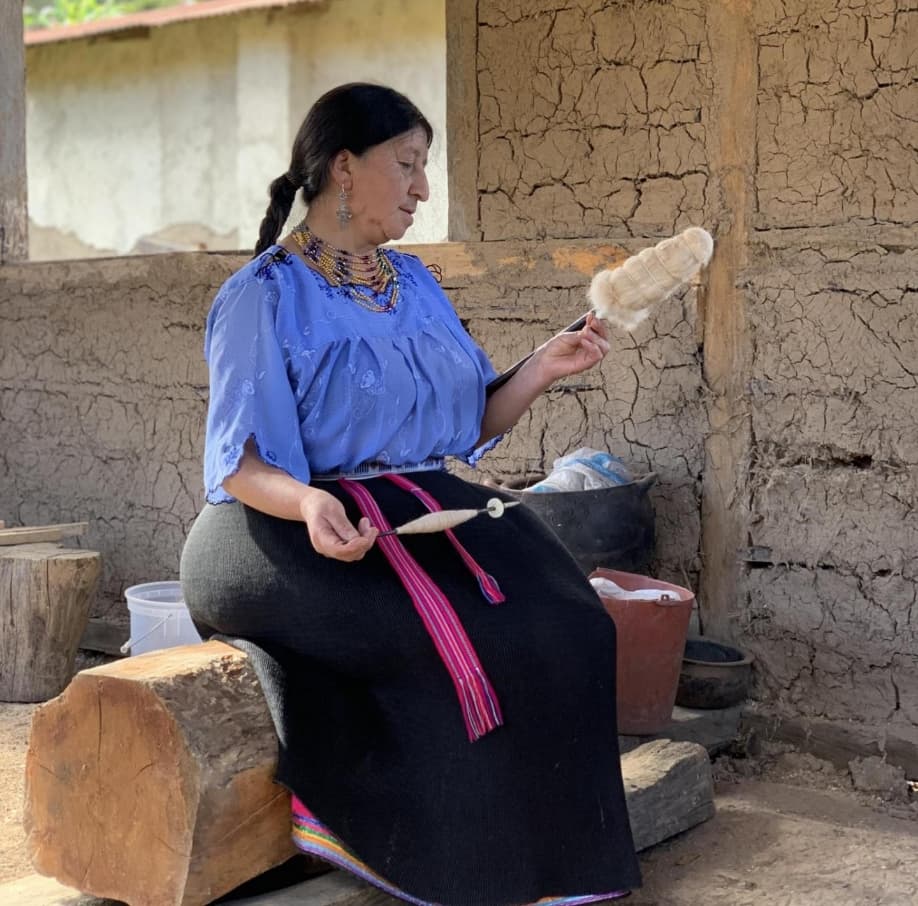
Language helps preserve knowledge accumulated over many generations. Particularly among indigenous groups, it plays a crucial role because they lack a writing system, and everything is transmitted solely through oral means. The extinction of each language deprives humanity of a unique perspective on the world. With the departure of the last speaker, we lose millennia of accumulated knowledge—it's as if a library built over generations has vanished.
That is why it is essential to advocate for the preservation of endangered indigenous languages. EPSULA kept this very fact in mind when setting its goals.
Learning resources
Read more
New Ways of Tourism
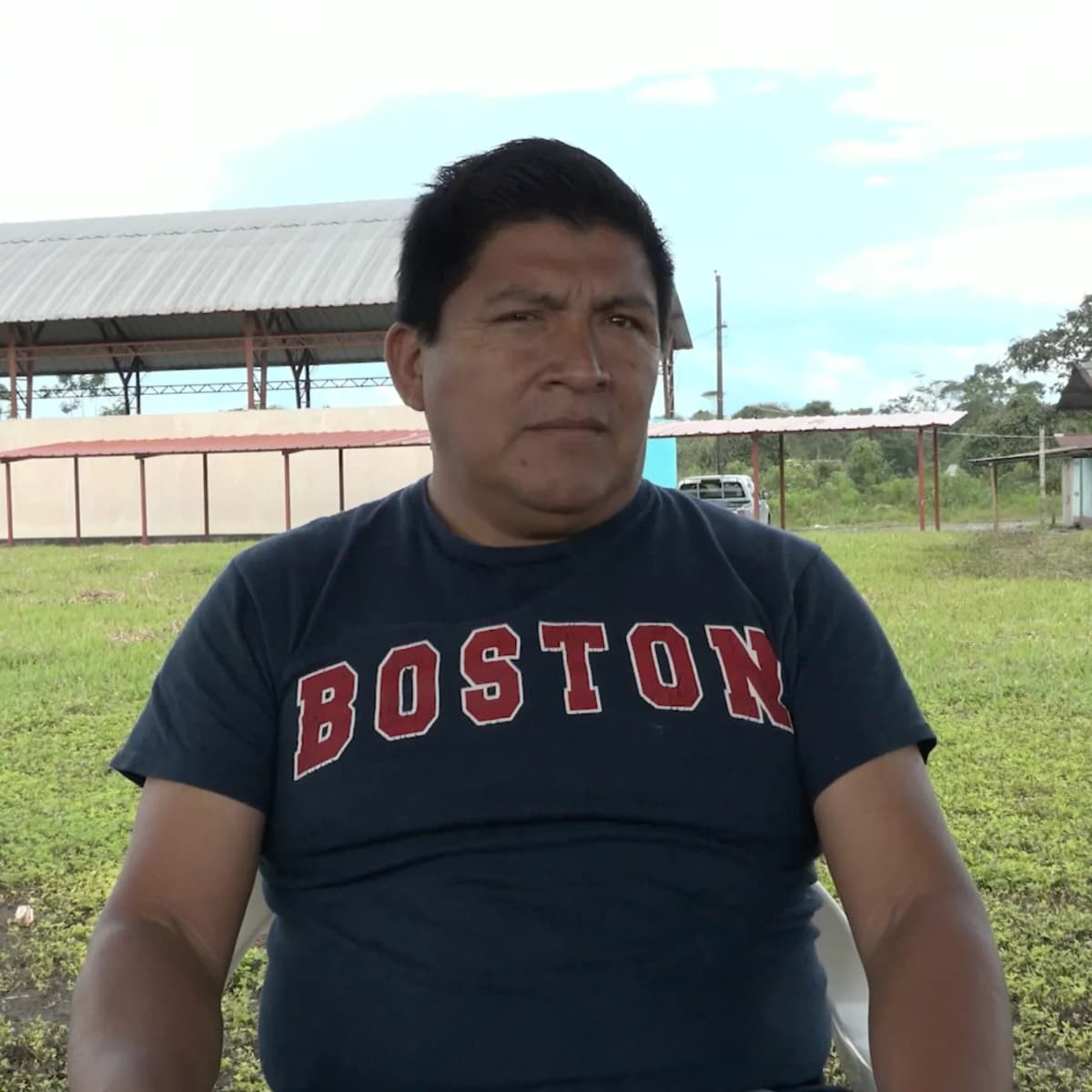
Within the academic study of tourism, this module redefines perspectives through indigenous eyes. It critically examines community-led initiatives, sustainable practices and cultural exchanges and provides an academic perspective on new dimensions of travel that promote indigenous heritage in search for mutual understanding.
Read more
Local, Regional and Global Geographical Contexts
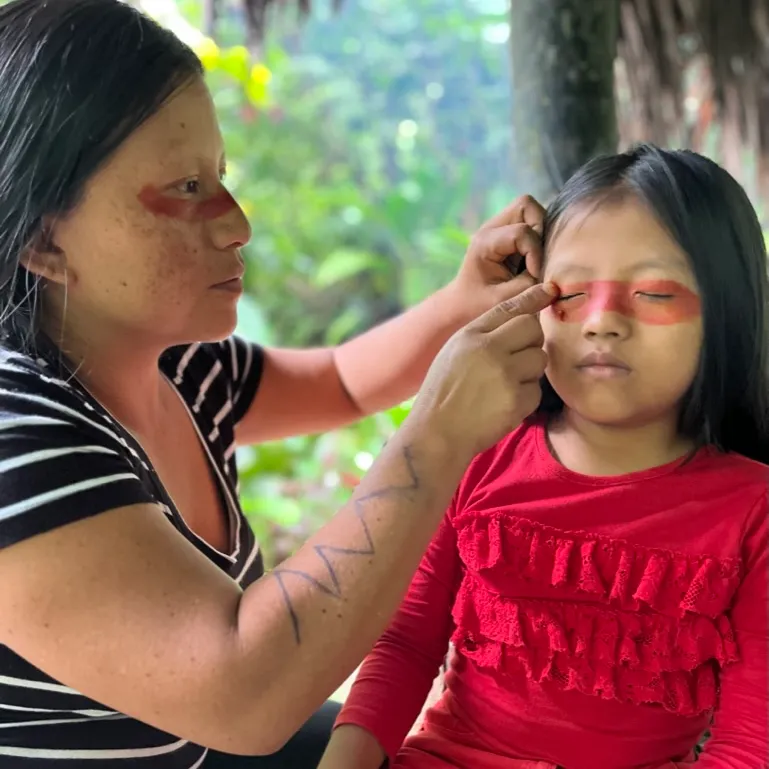
This module provides opportunities not only for exploring the geographical context regarding the environment, the climate and other important conditions, moreover it includes the interdisciplinary approach that allow „mapping“ local and regional History and stories that shape the life of indigenous communities. Through comparisons and analysis, the purpose is to explore the dynamic interplay between local landscapes and global influences, in order to understand how geography shapes identities, livelihoods and perspectives.
Read more
Holistic Perspectives on Nature and the Environment
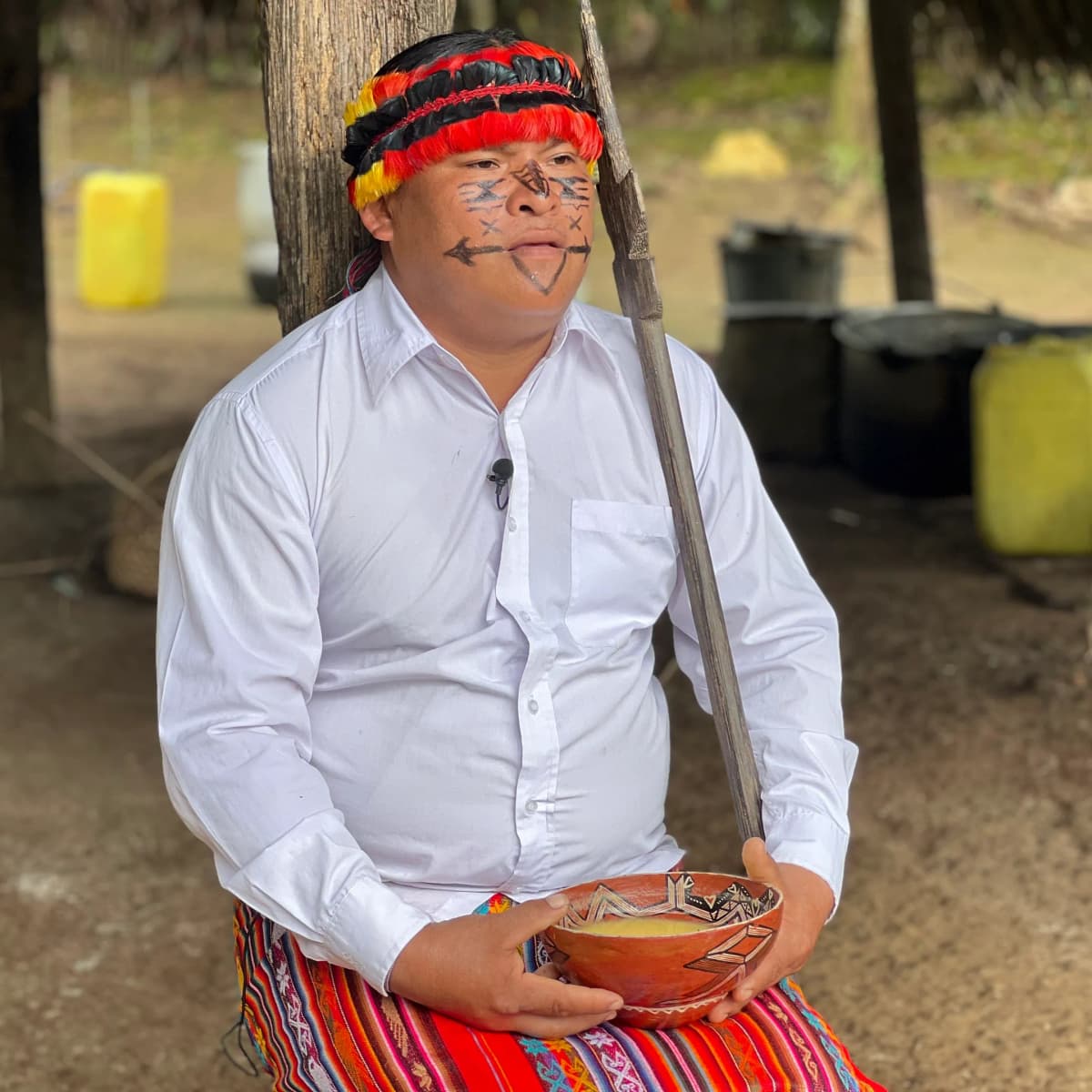
This module is designed in order to explore ancestral wisdom of the indigenous communities and their perspective of Nature not as a resource meant to serve human needs, but rather as a harmonious living entity. It engages with holistic perspectives that weave interconnectedness, sustainability and spirituality into the traditional social structure.